
Wardrobe
Clothes for physical work are specified like equipment, and desk clothes are not
A garment worn while doing something demanding has measurable requirements, and the wardrobes people assemble for work rarely distinguish between the two situations.
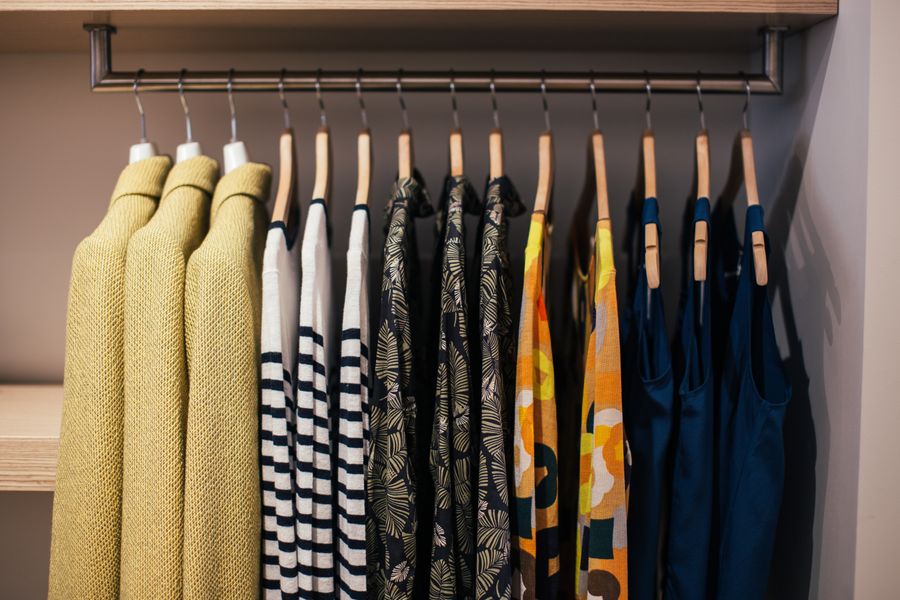
Two entirely different design briefs
A garment intended for physical work has to survive abrasion, tolerate load, allow a full range of movement, and often carry tools. Every one of those is a requirement that can be specified, tested and either met or not, which puts such clothing much closer to equipment than to dress.
A garment intended for an office has a different brief. It has to be comfortable seated for hours, look appropriate to a set of conventions, and stay presentable through a day with no physical demands. It is doing social work more than mechanical work, and that isn’t a criticism of it.
Problems appear when the two are confused, which happens in both directions. Office clothing worn for physical work fails quickly and often uncomfortably, and workwear worn where the requirements are social carries features that do nothing and a weight that is simply weight.
What durability is actually made of
Cloth weight is the first variable, since heavier fabric has more material to abrade away before it fails, and it’s why work trousers are noticeably heavy in the hand. Weave matters too, with tight twills resisting abrasion better than open plain weaves of the same weight.
The second variable is where reinforcement sits. Bar tacks at pocket corners and belt loops, double or triple stitching along load-bearing seams, extra layers at knees and seat, and a stronger thread throughout all address the specific points where a garment is pulled apart rather than worn away.
The third is movement. An articulated knee, a gusset at the crotch, a fuller cut through the seat and thigh and an action back across the shoulders exist so that a person can kneel, climb and reach without the garment restraining them or tearing. These are the features that migrate into fashion and lose their reason on the way.
The office garment optimises different things
Comfort seated, breathability in a heated or cooled building, resistance to creasing over a long day, and the ability to be cleaned frequently without deteriorating are the real requirements of most desk clothing. They are unglamorous and they are what determines whether something gets worn.
This is why lighter cloths dominate. A heavy fabric that would last for years is uncomfortable in a warm building for eight hours, so the trade is deliberately made towards lightness, and the garment wears out sooner as a consequence.
It is also why fit tolerances are tighter. Nobody notices a slightly wrong shoulder on a work jacket being worn to move things; the same error in an office jacket is the first thing seen, because the garment is being read rather than used.
Hybrid roles are the difficult case
A great many jobs are neither. Teaching, healthcare, hospitality, site visits by people who mostly sit at desks, and trades with an administrative component all involve moving, bending, standing for long periods and looking presentable while doing it.
The wardrobe that serves those roles is usually built on a few specific properties: cloth with some recovery so it doesn’t hold every crease, dark or patterned fabric that tolerates marks, footwear that can be stood in all day, and construction robust enough for repeated washing.
Stretch fabrics have genuinely improved this category, since a small proportion of elastane allows a close cut to move. The trade, which is worth knowing, is that elastane degrades before the cloth does, so such garments have a shorter useful life than their appearance suggests.
Buying for the day you actually have
The useful exercise is to count hours rather than categories. How many hours a week are spent standing, walking, kneeling, carrying, or outdoors, and how many seated in a controlled temperature? Most people can answer that in a minute and most wardrobes do not reflect the answer.
The common failure is a wardrobe built for the more formal half of a role, leaving the physical half served by whatever is old enough not to matter. That is expensive in a quiet way, because clothing worn for demanding work without being designed for it wears out fast and is uncomfortable while it does.
None of this argues for dressing like a tradesperson at a desk. It argues for buying the garment that matches the demand: proper work clothing where there is real work, and comfortable, well-cut, lighter clothing where the demand is social, without pretending either can do the other job.
Common questions
Are workwear brands worth it for ordinary use?
For genuinely demanding use, the construction differences are real and they show up in years of service. For occasional use the extra weight and stiffness are a cost with little return, since the reinforcement is addressing failures that will never occur. Buy the specification you need rather than the toughest available.
Why does office clothing wear out so fast?
Because it is deliberately light, so there is less material to lose, and because it is often washed frequently. Lightweight cloth, minimal construction and repeated laundering are a combination that produces a garment lasting a season or two. Choosing slightly heavier cloth and washing less often extends it considerably.
Do reinforced knees actually help?
They do where kneeling is part of the job, since the knee is the first point of failure on work trousers and a doubled layer or a pocket for a pad addresses it directly. On trousers that are never knelt in, the reinforcement adds bulk and stiffness at a point that bends constantly, which is a small ongoing cost for no benefit.
Tara has written about fit, fabric, care & repair for most of the last decade and prefers a plain explanation to a clever one.